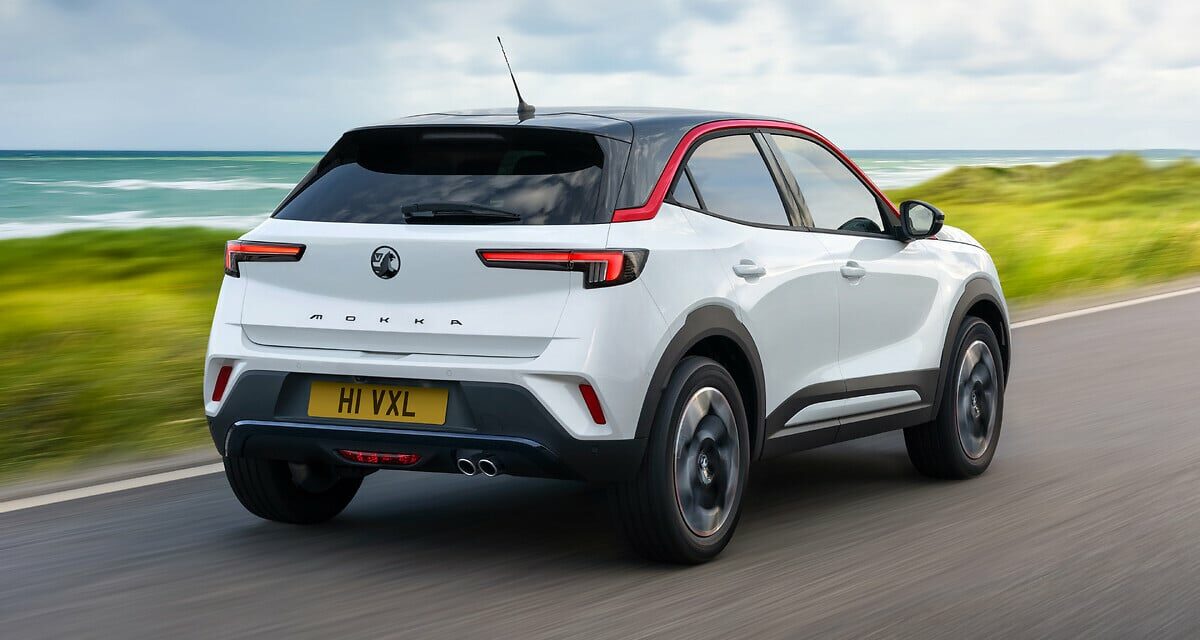
Vauxhall’s next electric SUV is already being treated like a pub quiz question about which old badge might come back. That is understandable, because familiar names are easy news. It is also not the most important part of this story.
The bigger point is that Vauxhall is being unusually open about how it plans to get a mainstream electric SUV to market quickly and cheaply enough to matter. On 8 May 2026, separate reports from Auto Express, Top Gear and Autocar all pointed to the same development: a new Vauxhall electric SUV due in 2028 that will lean heavily on Leapmotor.
The background to that is already official. Stellantis said in October 2023 that it would buy roughly a fifth of Leapmotor and create Leapmotor International, a 51:49 joint venture led by Stellantis. Since then, the UK operation has also made no secret of how central Leapmotor has become to the group, describing the brand as part of the Stellantis family and pushing the B10 as one of its value-led electric SUVs.
What has actually been said
The closest thing we have to source material for the new Vauxhall itself is the set of comments Opel-Vauxhall boss Florian Huettl gave to Top Gear and Autocar. Taken together, they paint a fairly clear picture.
The new model is expected in 2028, will be about 4.5 metres long and is being aimed at a sweet spot Vauxhall does not currently cover. That size matters. It puts the car above the Frontera and below the Grandland, and almost exactly in the territory already occupied by the Leapmotor B10 in UK press information, which lists a length of 4,515mm.
Huettl’s more revealing point was not the size, though. It was the split of responsibilities. According to the reports, Leapmotor is expected to provide the motor, electronics and battery, while Opel-Vauxhall keeps control of the design, steering, packaging, seating, lighting and interior feel. That is not a throwaway detail. It is the whole business case.
Why this matters more than the name
There are two ways to read a story like this. One is as a badge-engineering exercise with a bit of marketing theatre on top. The other is as a sign of where the next wave of cheaper electric cars is coming from. The second reading looks more convincing.
If Vauxhall simply wanted another EV in the showroom, rebadging would be the quickest route. But the way Huettl described the project suggests something more deliberate: keep the expensive, fast-moving EV core with the Chinese partner that already has it, then use Vauxhall and Opel to do the bits customers actually notice when they drive, sit in and live with the car.
That is a much more serious admission than it first appears. It says Vauxhall believes the route to a competitive 2028 family EV is not to do everything itself, and not to pretend European brands still hold every technical advantage in electric hardware. It is to combine Chinese pace and battery economics with local brand tuning and a European factory.
The useful detail buried in the coverage
Top Gear reported that the new SUV is set to use an LFP battery and be built in Zaragoza, Spain, rather than China. Both points matter. LFP chemistry is rarely the glamorous headline, but it is increasingly the affordability play. It usually gives away some energy density versus pricier chemistries, yet it is well suited to the kind of family EV where price, durability and day-to-day running costs matter more than winning a brochure war on peak range.
Building the car in Spain matters just as much. Tariffs, subsidy rules and local-content politics are still shifting targets, and any brand planning a big-volume EV for 2028 has to think about that now, not later. European assembly will not magically solve every cost problem, but it does give Vauxhall a much better chance of staying on the right side of whichever incentive and trade rules are in force by launch time.
There is also a neat line-up point here. The official Frontera owner’s manual lists a length of 4,380mm to 4,389mm, while Vauxhall’s Grandland price guide puts that car at 4,650mm. At roughly 4.5 metres, this new model would land in the middle of the range with a footprint very close to the Skoda Elroq, which Skoda itself described as measuring around 4.50 metres in length before launch. That gives Vauxhall a better shot at the heart of the electric SUV market than another niche halo car would.
What to watch now
The big unknown is price. If Vauxhall can turn all of this talk about Chinese development speed and cheaper battery chemistry into a convincingly priced electric SUV, this could become one of the brand’s most important launches of the decade. If it arrives priced too close to bigger or more established rivals, the whole logic starts to wobble.
The second thing to watch is how much of Leapmotor’s own product DNA stays visible. The more the finished car feels like a genuine Vauxhall rather than a lightly rewritten import, the more persuasive this strategy becomes. That is why Huettl’s insistence on brand-specific steering, packaging, seating and interior choices is worth taking seriously. It suggests Vauxhall already knows exactly where customers will judge the car hardest.
So yes, the name will get plenty of attention over the next few months. But the real story is simpler than that. Vauxhall is trying to buy itself time, price competitiveness and EV relevance in one move. If it pulls that off, 2028 could look less like a curiosity and more like the point where mainstream European brands stopped treating Chinese EV know-how as something happening at the edge of the market.