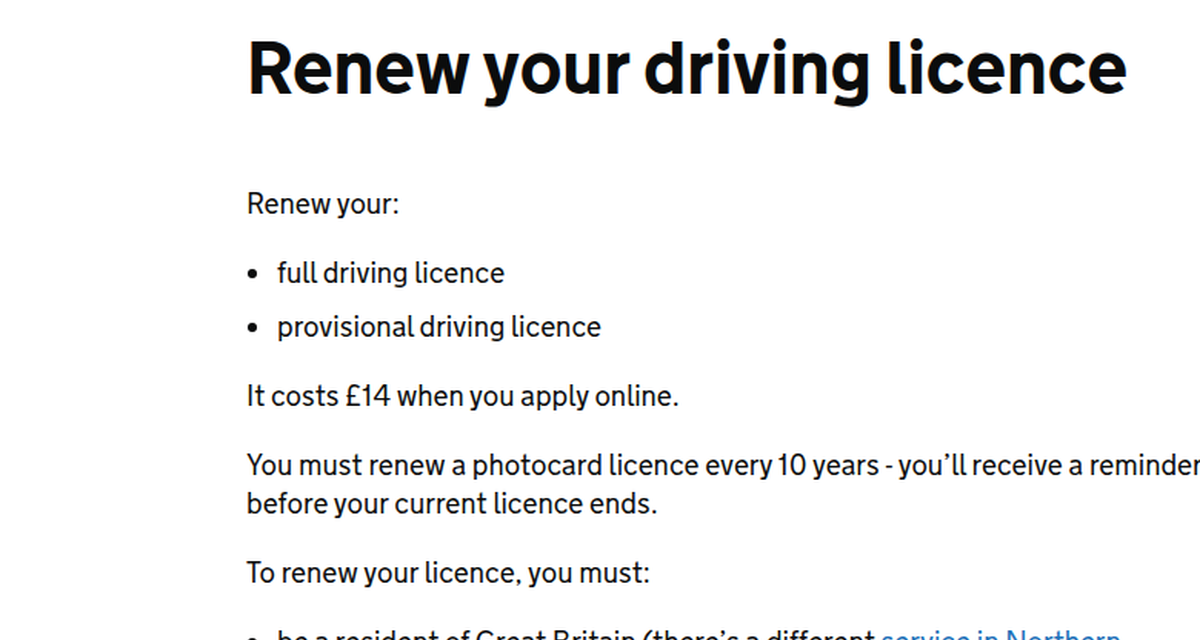
If your driving licence has expired and the DVLA is still processing your application, the usual panic is simple: can you legally keep driving, or do you need to park the car until the new photocard arrives?
The short answer is that some UK drivers can carry on under Section 88 of the Road Traffic Act 1988, but only if they meet every condition. This is the bit people miss. Section 88 is not a general grace period, and it is not automatic just because you posted a form or clicked renew online.
Here is the practical guide to when Section 88 can cover you, when it cannot, and the checks worth making before you get behind the wheel.
The quick answer
According to the DVLA’s INF188/6 guidance, Section 88 may allow you to continue driving if your licence runs out while the DVLA is processing a correct and complete application.
That does not mean every pending application is covered. The DVLA says you must meet all of the Section 88 criteria, including being medically fit to drive, having held a valid licence, and not having had your last licence revoked or refused for medical reasons.
If you are renewing a standard photocard, GOV.UK also says your new licence should usually arrive within a week if you renew online, or within 3 weeks if you renew at a Post Office or by post. Those timings matter because many drivers will simply be waiting for the new card to land, rather than relying on Section 88 for months.
What Section 88 actually is
Section 88 is the legal provision that can let a driver continue using the same entitlement while the DVLA deals with an application. In plain English, it is the rule that can sometimes bridge the gap between an old licence expiring and a new one being issued.
It is commonly relevant when:
- your photocard expires while a renewal is being processed
- you are 70 or over and have renewed your licence
- you have sent in an application linked to a medical condition
- you have surrendered a licence and are applying again
- a bus, lorry or other entitlement is being renewed
The important part is that Section 88 is condition-based. If one of the conditions is not met, the protection falls away.
The Section 88 checklist that matters most
The DVLA leaflet says you must meet all of the following to continue driving under Section 88:
- you meet the medical standards of fitness to drive
- you have held a valid licence and are only driving vehicles you applied for and were previously entitled to drive
- if you hold a Group 2 bus or lorry licence, the entitlement has not been suspended, revoked or refused by a traffic commissioner
- you still meet any conditions that applied to your previous licence
- the DVLA has received your correct and complete application within the last 12 months
- your last licence was not revoked or refused for medical reasons
- you are not currently disqualified from driving by a court
- you are not reapplying after disqualification as a high-risk offender following a serious drink-driving offence
That is why a simple "I have applied, so I must be fine" assumption is risky. Section 88 only helps if the whole checklist lines up.
When most ordinary drivers can usually keep driving
For many standard renewal cases, the position is fairly straightforward. If you held a valid licence, your entitlement has not been medically revoked, you remain fit to drive, and the DVLA has your proper renewal application, Section 88 may allow you to keep driving while the new licence is processed.
This tends to be the most common scenario for drivers renewing:
- a 10-year photocard
- a licence at age 70 or over
- an entitlement that has expired during the application process
GOV.UK’s renewal guidance also says that if you renew at a Post Office or by post, you can continue driving while you wait for the new licence to arrive. That is useful practical reassurance, but it still sits on top of the underlying legal conditions.
The situations that stop Section 88 helping you
This is where drivers get caught out. You should not rely on Section 88 if any of the following apply:
Your last licence was revoked or refused for medical reasons
The DVLA leaflet is clear here. If your licence was revoked or refused for medical reasons, you must wait until the DVLA issues a new one before driving again.
You are not medically fit to drive now
Even if the DVLA is still deciding your case, Section 88 does not override your actual medical fitness. If a doctor or other healthcare professional has told you not to drive, do not drive.
Your application was not correct and complete
Section 88 depends on the DVLA having received the right application. If paperwork is missing, sent to the wrong route, or incomplete in a way that means the application is not properly in play, relying on Section 88 is a bad gamble.
You are driving something you were not previously entitled to drive
Section 88 does not create a new entitlement. It only preserves the entitlement you previously held and have applied to renew.
You have been disqualified since applying
The DVLA says Section 88 cover ends if you are disqualified from driving after sending the application.
The application has gone beyond 12 months
The leaflet also says Section 88 cover is valid only while the application is within the last 12 months. If the case drags on past that point, the position changes.
Medical applications need more caution than ordinary renewals
The trickiest Section 88 cases usually involve medical declarations. The DVLA says it cannot tell you whether Section 88 applies while it is still carrying out medical investigations. In practice, that means the driver and their doctor or healthcare professional are often the ones who have to consider whether the criteria are met.
That does not mean guessing. It means being honest about whether the medical condition, as it stands now, would stop you meeting the fitness-to-drive standard.
If the condition has changed, developed, or is newly declared, be especially careful. The safe approach is to check the relevant GOV.UK fitness to drive guidance and follow your clinician’s advice rather than treating Section 88 as a blanket yes.
What if you are over 70?
Drivers aged 70 or over often worry that an expired card automatically means an immediate stop to driving. That is not necessarily true. The DVLA’s Section 88 guidance says a driver over 70 may continue driving once the DVLA has received the correct and complete application, provided all the Section 88 criteria are met.
That still leaves one obvious practical point. Do not leave the renewal until the last minute if you can avoid it. GOV.UK says the age-70 online service can be used when your licence has expired or will expire within the next 90 days, so there is usually room to get ahead of the rush.
Can you drive abroad while waiting for the DVLA?
This is one of the easiest mistakes to make. The DVLA leaflet says Section 88 is a UK legal provision and may not be accepted in other countries. In other words, even if you are allowed to drive in the UK while waiting for the licence, do not assume that cover travels with you.
If you are about to take the car overseas, check with the relevant licensing authority before you go. This is not something to leave to chance at the port or tunnel.
What proof should you keep while you wait?
Section 88 is not a separate certificate you can download and wave at people. If you are relying on it, keep sensible evidence together in case the position ever needs explaining. That can include:
- your renewal confirmation email or payment confirmation
- proof of postage if you used the postal route
- any DVLA correspondence about the live application
- notes from a doctor or healthcare professional if the issue involves medical fitness
This does not create the legal right on its own, but it does make it easier to show that you have an active application and have not simply let the licence lapse without acting.
A simple way to think about it
If your case is a routine renewal and nothing medical, disciplinary or entitlement-related has changed, Section 88 will often let you keep driving while the DVLA processes the application.
If your case involves a medical issue, a previous revocation, a change in entitlement, or uncertainty about whether you are actually fit to drive, slow down and check properly before using the car. That is where the risk sits.
The bottom line
Yes, some UK drivers can legally keep driving while waiting for a renewed licence, but only because Section 88 may preserve that right in tightly defined circumstances. It is not a free pass for every expired photocard, and it is especially unsafe to rely on it if a medical problem or an incomplete application is involved.
The smartest move is to treat Section 88 as a checklist, not a comfort blanket. If every condition is met, you may be covered. If one is shaky, assume nothing until you have checked the official guidance and your own circumstances properly.