A tribunal ruling had briefly given campaigners hope that public EV charging might finally be treated more like home charging for VAT. Instead, the row is heading into another round, because HMRC has now appealed.
That matters because this is not really a niche tax argument. It is about whether drivers without a driveway, often flat-dwellers and urban households, should keep paying the full 20% VAT rate when motorists who can plug in at home typically pay 5% on their electricity.
What happened
Auto Express, What Car? and Carwow have all been circling the same issue in recent days: whether the tax system will stop penalising EV drivers who rely on public charging. The latest turn is HMRC’s decision to appeal after a tribunal ruling went against it in a case brought by Charge My Street.
The legal backdrop matters. Under Schedule 7A of the Value Added Tax Act 1994, supplies of domestic fuel or power qualify for the reduced 5% VAT rate, and the legislation also deems certain smaller electricity supplies to a person at any premises to count as domestic use. That is the bit campaigners have argued should matter much more for EV charging than HMRC has been willing to accept.
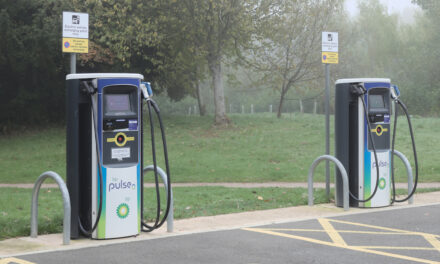
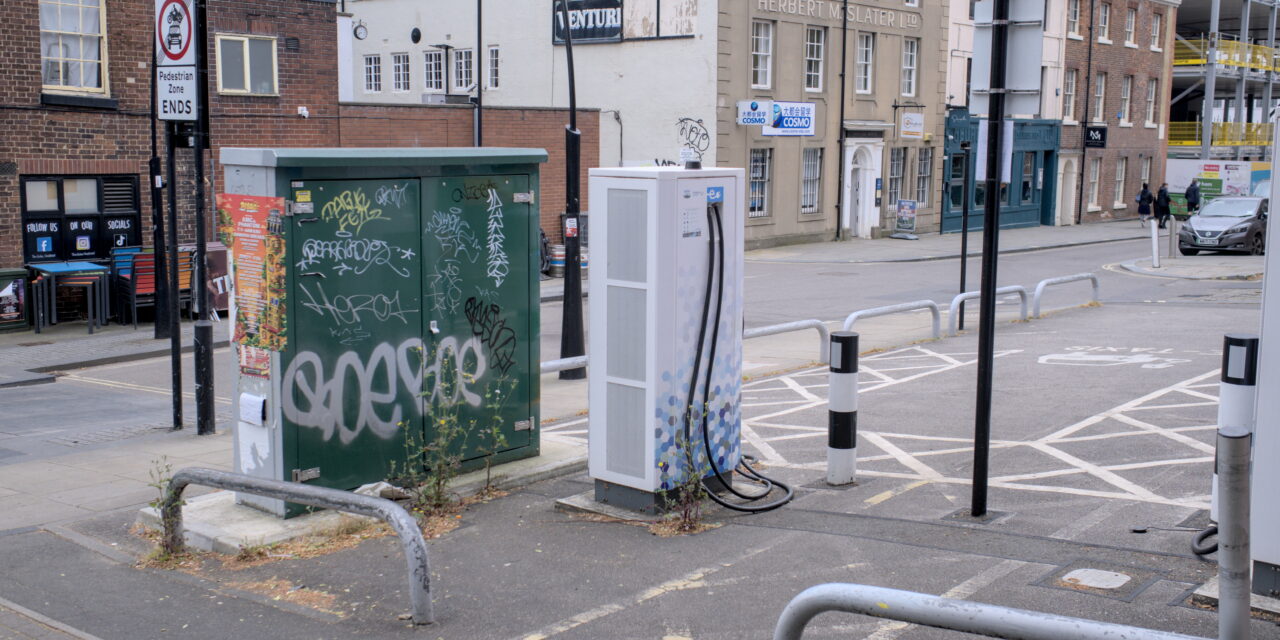
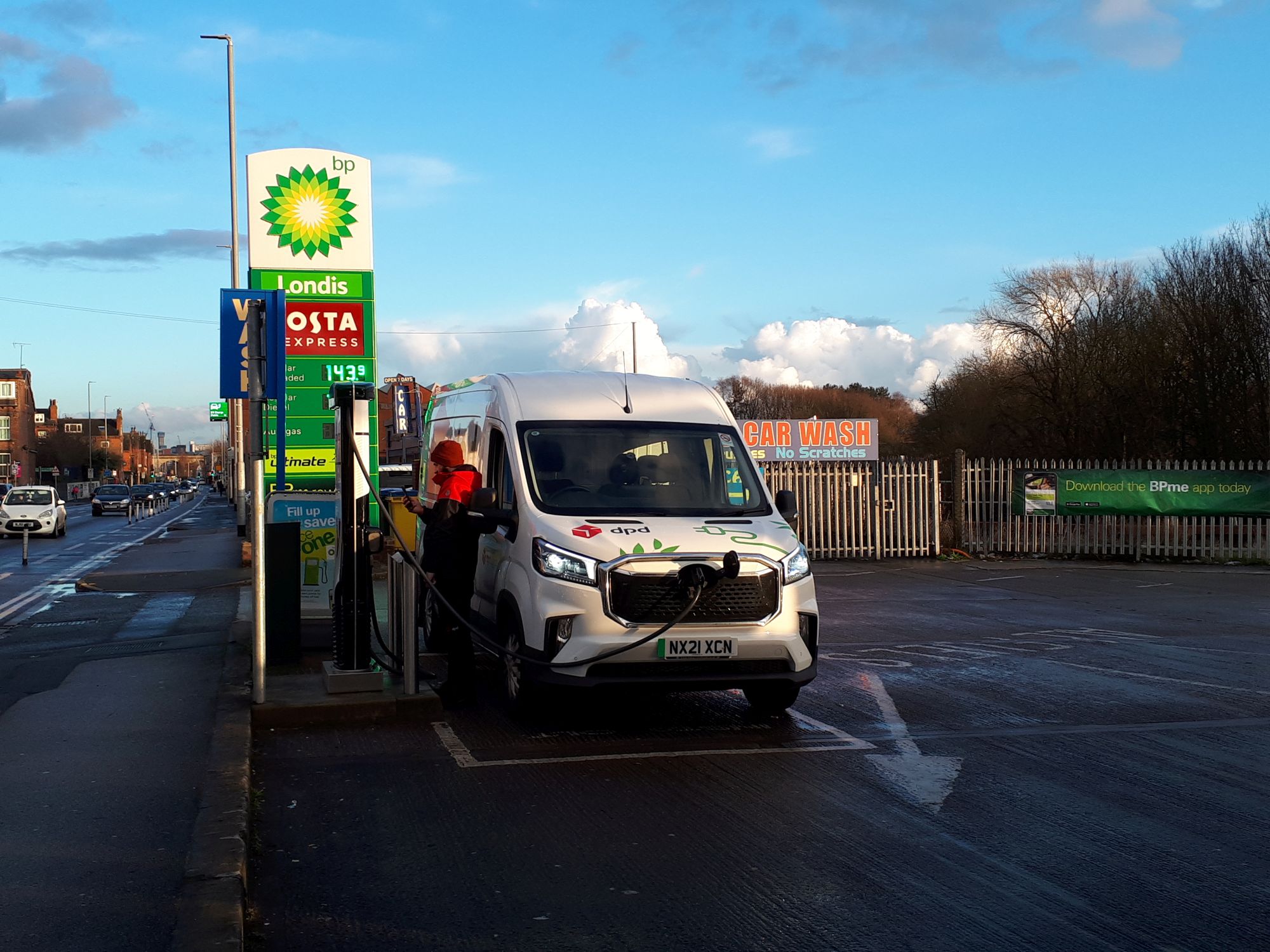
In practice, public charging has still been treated as a standard-rated service, so drivers using rapid hubs, kerbside posts and destination chargers have generally faced 20% VAT instead.
Why it matters for UK readers
The biggest point is fairness. The UK has spent years trying to make electric cars more mainstream, but one of the most obvious structural disadvantages has never gone away: the people least able to install home charging are often the ones paying the highest tax rate to keep an EV moving.
That is why this story keeps spreading across consumer-facing motoring sites. It goes straight to the real-world running-cost question buyers ask before switching: will charging still be noticeably cheaper if I cannot do most of it at home?
HMRC’s appeal means the answer is still more complicated, and often more expensive, than many drivers would like. Even where public charging prices are becoming more competitive, the VAT gap remains a visible symbol of a two-tier EV transition.
The detail people might miss
The headline version of this story is easy to oversimplify. It is tempting to frame it as a simple fight to slash public charging VAT overnight from 20% to 5%, but the deeper issue is that the current tax framework was not really built with modern charging networks in mind.
Home electricity is easy to classify. Public charging is not. It can involve subscription models, roaming platforms, pay-as-you-go billing, retail car parks, workplace sites and ultra-rapid hubs that behave more like commercial infrastructure than a household energy bill. Even if campaigners ultimately win the legal argument, government may still need to rewrite or clarify the rules if it wants a cleaner long-term answer.
That is also why this matters beyond the immediate court fight. If ministers are serious about bringing EV ownership to households without off-street parking, they probably cannot rely on piecemeal litigation to sort out charging fairness.
What to watch next
The obvious next step is the appeal itself. If HMRC succeeds, the current split between home and public charging VAT is likely to stay in place unless ministers intervene directly. If HMRC loses again, pressure will grow for a broader rethink of how public charging should be taxed across the UK network.
Either way, the important part for drivers is not just the legal technicality. It is whether the UK finally decides that the cheapest way to run an EV should not depend so heavily on whether you happen to have a driveway.