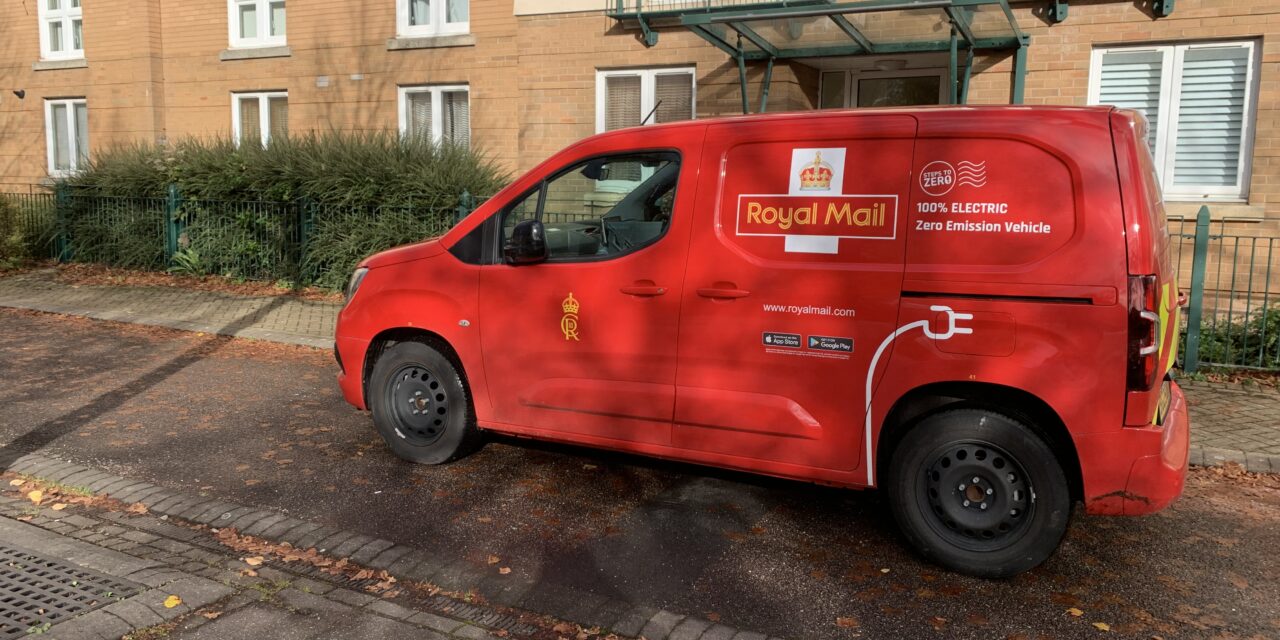
The Department for Transport and DVSA have confirmed that a long-awaited MOT rule change for heavier electric vans will finally take effect on 1 June 2026. For fleets running zero-emission vans between 3,501kg and 4,250kg, that means a switch onto the class 7 MOT regime and a much more sensible first test date of three years after registration instead of one.
That may sound like a technical tweak, but it matters because this was one of the most irritating side effects of electrification for commercial operators. The vans in question are usually not physically bigger than familiar diesel large vans. They are often pushed over the 3.5-tonne threshold mainly because batteries are heavy. Until now, that extra weight has dragged them into rules that made them harder and costlier to run than their combustion equivalents.
According to the DVSA special notice published on 13 May, zero-emission goods vehicles with a design gross weight between 3,501kg and 4,250kg will from 1 June be treated as class 7 vehicles for MOT purposes. DVSA also says those vans will have their first class 7 MOT three years after registration.
That is the bit operators will care about most. A one-year first test for an electric van that is doing the same job as a diesel van on a normal three-year MOT cycle never looked especially rational. It looked like a battery-weight penalty.
The wider benefit is access. In its earlier consultation on zero-emission van regulatory flexibility, the government said there are around 6,400 class 7 testing stations. Moving these vehicles into that network should make booking a test far less awkward than relying on the heavy vehicle route and authorised testing facilities. For fleets, that means less downtime, less admin and fewer odd workarounds just because a van happens to be electric.
The consultation response also showed why the change kept coming up in industry complaints. The DfT said respondents backing the move pointed to the additional administrative and financial burden of sending these vans through heavy vehicle testing instead of the class 7 MOT system used by equivalent diesel vans. In other words, this was not just a box-ticking gripe. It was a real operating cost problem.
There are a couple of details worth noting. First, this is not a free-for-all for every electrified van. The rule is for zero-emission goods vehicles in that 3,501kg to 4,250kg band, not hybrids or range-extender models. Second, class 7 standards still apply properly once the van is in the MOT lane. DVSA says current test standards remain in force, including speed limiter checks, and the minimum tread depth requirement moves to 1.6mm in line with normal class 7 rules.
The change also fits a broader policy pattern. The government has already moved to make life easier for these heavier battery-electric vans in other areas, including licence flexibility. This MOT shift tackles another practical barrier that has made some operators hesitate, especially where an electric van looks and works like a diesel equivalent but gets treated more like a small truck by the rulebook.
What this does not do is solve the bigger electric van equation on its own. Payload, charging, upfront price and depot infrastructure still matter far more than MOT booking friction. But removing silly regulatory penalties matters because businesses notice the small costs and complications just as much as the big capital numbers. If you want more fleets to make the switch, the least government can do is stop punishing them for battery mass.
So yes, this is niche. But it is useful niche. And for operators trying to decarbonise van fleets without accepting extra bureaucracy for no good reason, it is exactly the sort of boring rule change that makes adoption a bit more realistic.