
The motoring news flow is a bit lighter than it was at the end of last week, but there are still a few developments worth UK drivers, buyers and fleet operators keeping an eye on. The common thread is that a lot of the sector’s biggest arguments now come down to cost, practicality and whether policy is keeping up with reality.
Today’s shortlist ranges from the next step in the Electric Car Grant to pressure building in the van market, plus a couple of manufacturer updates that are more relevant than the usual brochure fluff.
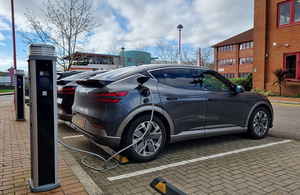
Electric Car Grant moves a step closer to real-world eligibility
The Department for Transport’s updated Electric Car Grant application material is not the same thing as a list of approved bargain EVs suddenly appearing in dealerships, but it is a meaningful next step. The paperwork makes clear that manufacturers must submit evidence on the vehicle itself and on the sustainability of production, with the scheme aimed at cars priced at £37,000 or below.
For buyers, the important point is that this is starting to look more operational and less like a headline promise. The next thing that really matters is which models actually make the cut, because that will decide whether the grant genuinely helps mainstream households or just creates another round of confusing eligibility small print.
SMMT says pickup and electric van policy needs a reality check
In its latest industry commentary, the SMMT argues the pickup and electric van markets need a timely review. The trade body says March registrations for light commercials fell 3.4%, with pickup demand hit particularly hard after tax treatment changes for double-cab models, while battery-electric van uptake remains far below mandate levels.
There is some self-interest in any industry lobbying push, obviously, but the broad point is hard to ignore. If tax and mandate rules are nudging operators to hang on to older vehicles for longer, that is not great for emissions, fleet renewal or business costs. This is one of those stories that sounds niche until you remember how much of the UK economy still runs on vans and pickups.
A new charging tie-up targets one of fleet electrification’s messiest problems
Another useful commercial vehicle story came from Voltempo and Corpay’s new charging partnership, which is designed to let operators find, book and pay for charging through participating depots using existing fleet charge cards. The idea is to combine charging access, energy procurement and billing into something far less clunky.
That may not sound glamorous, but it is exactly the sort of practical fix heavy fleet electrification needs. For plenty of operators, the problem is no longer understanding that electrification is coming, it is making the charging maths and depot logistics work without blowing up costs.
Isuzu tees up a more capable D-Max ahead of the CV Show
Isuzu’s new D-Max 2.2-litre diesel is due to be shown at the Commercial Vehicle Show this month, with UK deliveries starting in July. The headline numbers are the ones this market cares about: up to 400Nm of torque, a 1-tonne payload and 3.5-tonne towing capacity, plus a new eight-speed automatic option.
In other words, Isuzu is not trying to reinvent the pickup, it is trying to make a familiar working tool a bit more capable and easier to justify. Just as interesting is the fact the show will also host the first public display of the right-hand-drive D-Max EV, which underlines how even old-school utility brands are having to cover both diesel demand now and electric demand later.
Vauxhall’s latest numbers show why familiar names still matter
Vauxhall’s latest UK update says the Corsa remains the country’s best-selling supermini, with 10,552 sold year-to-date, while the brand also reported stronger electric retail volumes and an improved van market share. Sales releases always need a pinch of salt, but this one does tell us something useful.
When budgets are tight and EV scepticism has not vanished, established badges still do a lot of the heavy lifting. Buyers may talk a big game about disruption, but plenty still end up choosing the car they know, from the brand they recognise, at a price point that feels survivable. That is not very glamorous, but it is very real.
It is a quieter news day overall, but the takeaway is fairly clear. The UK market is still moving, just not in a straight line: grants are edging forward, commercial operators want more workable rules, and carmakers that can balance cost, familiarity and day-to-day usability are still in the strongest position.