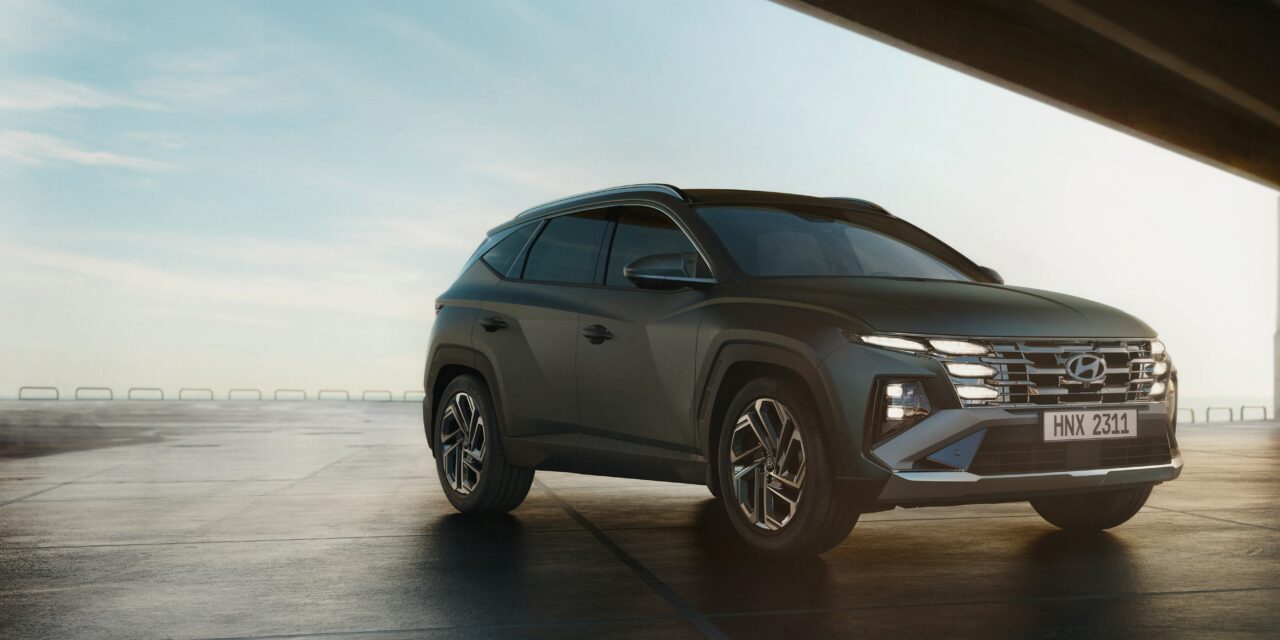
SUVs have become incredibly popular, but what does SUV mean in cars? Originating from the term ‘Sport Utility Vehicle,’ SUVs blend the robust features of a truck with the comfort of a car, offering a model with a modern look and battery efficiency. These vehicles were first designed to tackle rugged terrains, making them ideal for adventurous souls. Over time, they’ve evolved into family-friendly rides, offering ample space and versatility. Today, they dominate the roads, known for their elevated seating and enhanced safety features. People love SUVs for their ability to handle diverse driving conditions while providing a smooth ride. Whether you’re commuting or exploring off-road trails, an SUV offers a unique driving experience. Dive into the world of SUVs and discover why they’re more than just a vehicle—they’re a lifestyle choice.
Key Takeaways
- Understand the Definition: An SUV, or Sports Utility Vehicle, combines elements of road-going passenger cars with features from off-road vehicles, like raised ground clearance and four-wheel drive.
- Decipher the Acronym: The term SUV stands for Sports Utility Vehicle, highlighting its versatile nature and capability for both urban and rugged terrains.
- Explore the Variety: SUVs come in various types, including compact, mid-size, and full-size, each catering to different needs and preferences.
- Compare with Alternatives: SUVs often provide more space and versatility compared to sedans or hatchbacks, making them a popular choice for families and adventurers.
- Evaluate Benefits: Owning an SUV offers advantages like enhanced safety features, higher seating position, and ample cargo space, appealing to those prioritising practicality.
- Consider the Drawbacks: While SUVs offer many benefits, potential downsides include larger size, reduced fuel efficiency, and higher costs, which should be considered before purchasing.
Definition of SUV
SUV Meaning
The abbreviation SUV stands for ‘Sports Utility Vehicle’. These vehicles are known for their dual capability. They can handle both city streets and rugged terrains. This makes them popular among families and adventure enthusiasts.
SUVs offer a higher driving position, providing better visibility on the road. They usually come with four-wheel drive options. This feature enhances their performance on uneven surfaces.
Versatility in Sizes
SUVs come in various sizes to suit different needs. Small SUVs are compact and easier to manoeuvre in urban settings. They offer the benefits of an SUV without the bulkiness.
Medium-sized SUVs provide more space and comfort. They are ideal for families who need extra room for passengers and luggage.
Large SUVs boast ample space and powerful engines. They are perfect for long journeys and off-road adventures.
SUV Design
The design of SUVs is distinct from other vehicle types. They have a robust build, often with a higher ground clearance. This design aspect helps them tackle rough roads with ease.
SUVs also feature a spacious interior, making them comfortable for long drives. Their versatility extends to the boot space, which can accommodate large items.
Control and Performance
SUVs offer excellent control due to their advanced suspension systems. These systems absorb shocks from uneven terrains, ensuring a smooth ride.
Their engines are designed to deliver power efficiently. This allows SUVs to tow heavy loads when needed.
Distinction from Crossovers
It’s important to distinguish between SUVs and crossovers. The term “crossover” refers to vehicles that blend car-like features with some SUV characteristics.
The main difference lies in their construction. SUVs have a separate body and frame structure, similar to trucks. This gives them durability and strength on tough terrains.
Crossovers, on the other hand, have a unibody construction like cars. This makes them lighter and more fuel-efficient but less rugged than traditional SUVs.
SUV Acronym Explained
Sports Aspect
The term ‘Sports’ in SUV refers to both performance and style. SUVs often feature powerful engines, providing the capability to tackle various terrains. Many models come with advanced suspension systems. These systems enhance off-road performance. The sporty design of an SUV is another key element. Sleek lines and bold exteriors attract those who value aesthetics. Some SUVs even offer sporty driving modes. This allows drivers to experience enhanced speed and handling.
Utility Component
The ‘Utility’ aspect of SUVs highlights their functionality and versatility. One of the main features is spacious interiors. They can accommodate families or large groups comfortably. Many SUVs have foldable rear seats, increasing cargo space when needed. This makes them perfect for road trips or transporting bulky items. SUVs are equipped with all-wheel drive capabilities. This provides better traction on slippery surfaces, enhancing safety.
Versatility Features
SUVs are known for their adaptability in various situations. Their higher ground clearance enables them to handle rough roads easily. This makes them suitable for both urban settings and rural adventures. Many models include towing capabilities, allowing them to haul trailers or boats. The combination of these features makes SUVs a popular choice among diverse groups of people.
Types of SUVs
Compact SUVs
Compact SUVs are smaller in size. They typically offer better fuel efficiency than larger models. These vehicles often appeal to urban drivers due to their easy manoeuvrability and parking. Small SUV models provide adequate passenger space and cargo capacity for everyday needs. Examples include the Honda CR-V and Ford Escape.
Midsize SUVs
Midsize SUVs strike a balance between size and capability. They offer more room and power than compact models but remain manageable in city environments. Many families prefer these for their versatility. Typical SUV characteristics in this category include spacious interiors and strong engines. The Toyota Highlander and Ford Explorer are popular choices.
Full-Size SUVs
Full-size SUVs are the largest in the range. They offer extensive passenger and cargo space, making them ideal for large families or those needing extra room. Large SUV models like the Chevrolet Suburban and Ford Expedition can tow heavy loads, appealing to those with trailers or boats.
Luxury SUVs
Luxury SUVs cater to those seeking premium features and comfort. Brands like Lexus, BMW, and Mercedes-Benz dominate this market segment. Luxurious SUVs often include advanced technology, superior materials, and enhanced performance. The Lexus RX is a prime example of a luxury SUV that combines style with function.
Hybrid and Electric SUVs
Hybrid and electric SUVs are gaining popularity as sustainable options. Manufacturers aim to reduce emissions while maintaining performance. Many modern SUVs now feature hybrid powertrains, offering improved fuel economy. Electric models, such as the Tesla Model X, represent the future of many sports SUVs, combining eco-friendliness with high performance.
Emerging Trends
The SUV market continuously evolves to meet consumer demands. There is a growing trend towards more environmentally friendly options. Modern SUVs often incorporate advanced safety features, connectivity, and infotainment systems. This evolution reflects the changing landscape of personal transportation.
SUV vs Other Vehicles
SUVs and Sedans
SUVs differ from sedans in several key areas. Size and height are the most noticeable differences. SUVs, or sports utility vehicles, are generally taller and larger. They offer more headroom and legroom compared to sedans. This makes them a preferred choice for families needing extra space.
Passenger capacity varies between these vehicle types. Many SUVs can accommodate seven or eight passengers, unlike most sedans which typically seat five. This makes SUVs suitable for larger families or groups. SUVs often feature a higher ground clearance, providing better visibility on the road.
SUVs and Trucks
Trucks and SUVs share some similarities but have distinct differences. Both are known for their off-road capabilities. However, trucks usually possess superior towing power. Their design focuses on hauling heavy loads, making them ideal for work-related tasks.
On the other hand, many SUVs offer a balance between off-road capabilities and passenger comfort. Rugged SUVs can handle challenging terrains but also provide a smoother ride for everyday use. While trucks often have open cargo beds, SUVs feature enclosed cargo areas, offering protection from the elements.
SUVs and Crossovers
SUVs and crossovers might seem similar at first glance, but they differ in structural design. Traditional SUVs are built on a truck chassis, giving them durability and strength for tough conditions. Crossovers, however, are constructed on a car platform.
This difference affects their intended use. Crossovers are designed for urban environments, prioritising comfort and fuel efficiency over ruggedness. They often have a lower ground clearance than larger SUVs, making them easier to drive in cities.
Crossovers suit those who desire SUV styling without compromising on agility. They combine the best of both worlds: the spaciousness of an SUV with the handling of a car. Families often opt for crossover SUVs due to their practicality in urban settings.
Small vs Large SUVs
Small and large SUVs cater to different needs. Small SUVs are compact yet versatile, ideal for city driving while offering more space than standard cars. They provide good fuel efficiency and easy parking in tight spaces.
Large SUVs focus on maximum passenger capacity and cargo space. These vehicles excel in long-distance travel and carrying heavy loads. Luxury SUV models offer high-end features and comfort, appealing to those seeking premium experiences.
Benefits of Owning an SUV
Enhanced Safety
SUVs offer superior safety features that provide reassurance for drivers and passengers alike. Many models are equipped with advanced systems such as anti-lock brakes, stability control, and multiple airbags. These features help protect occupants in the event of a collision. The elevated driving position offers better visibility. This allows drivers to anticipate road conditions more effectively. According to a 2020 study by the Insurance Institute for Highway Safety (IIHS), SUVs generally perform better in crash tests compared to smaller cars.
Spacious Interior
The interior space of an SUV is one of its most appealing attributes. Families often find SUVs ideal due to ample seating and cargo capacity. This makes them perfect for long journeys and family outings. Most SUVs can comfortably seat five to seven passengers. The seats are designed to offer comfort on extended trips, reducing fatigue for both driver and passengers. The boot space is also generous, accommodating luggage, sports equipment, or groceries with ease.
Versatility
SUVs are highly versatile vehicles. They adapt well to both urban settings and rugged terrains. In cities, their compact design allows for easy parking and manoeuvring through traffic. For those who love outdoor adventures, SUVs excel off-road with four-wheel drive capabilities. This makes them suitable for camping trips or exploring remote areas. Their robust build ensures durability under various conditions, providing reliability for any journey.
Fuel Efficiency
Modern SUVs have become more fuel-efficient over the years. Advances in technology have led to hybrid models that consume less petrol while maintaining performance. Some models even feature eco-friendly engines that reduce emissions. This makes them a more sustainable choice for environmentally conscious consumers.
Towing Capacity
Many SUV owners appreciate the impressive towing capacity these vehicles offer. Whether it’s hauling a trailer, boat, or caravan, SUVs handle heavy loads with ease. This capability adds another layer of utility, catering to diverse needs beyond daily commuting.
Practicality and Safety Features
Advanced Safety
SUVs come equipped with advanced safety technologies that enhance driver and passenger protection. Vehicle Stability Control (VSC) is a critical feature. It helps maintain control during sudden manoeuvres by adjusting engine power and applying brakes to individual wheels. This reduces the risk of skidding, especially in adverse weather conditions.
Airbag systems in SUVs have evolved significantly. Modern models often include multiple airbags placed strategically throughout the cabin. This includes front, side, and curtain airbags, providing comprehensive coverage in case of a collision.
Hybrid Engine Utility
The practicality of hybrid engines in SUVs is noteworthy. These engines combine petrol and electric power to increase efficiency. They allow the vehicle to switch between power sources seamlessly. This results in reduced fuel consumption and lower emissions.
Hybrid SUVs offer several benefits:
- Improved fuel economy
- Reduced carbon footprint
- Quieter operation
These advantages make hybrid SUVs an attractive option for environmentally conscious drivers.
Comfort Features
Comfort is essential in SUVs, which are designed for long journeys and family trips. Many models come with luxury interiors, featuring high-quality materials and spacious seating arrangements. Heated seats, adjustable lumbar support, and climate control systems enhance passenger comfort.
Smart Stop Technology is another convenience feature. It automatically reduces engine power when both accelerator and brake pedals are pressed simultaneously. This prevents unintended acceleration, adding an extra layer of safety.
Safety Connect Systems
Safety Connect systems provide added security for SUV owners. These systems often include automatic collision notification, emergency assistance, and stolen vehicle location services. In the event of an accident, emergency services can be contacted immediately. This ensures prompt assistance.
e SUVs also offer remote diagnostics via these systems. Owners receive alerts about maintenance needs or potential issues before they become serious problems.
Off-Road and Towing Capabilities
4×4 Drive
SUVs often feature a 4×4 drive system, making them ideal for off-road adventures. This system ensures power is distributed to all four wheels. It provides better traction on uneven surfaces like mud, snow, or gravel. Many SUVs come equipped with advanced 4×4 systems. These systems can automatically adjust the power to each wheel. This adjustment helps maintain stability and control in challenging conditions.
Chassis Design
The chassis of an SUV is robust and durable. Manufacturers design it to withstand tough terrains. The high ground clearance allows SUVs to navigate rocky paths without damage. Skid plates are often added to protect the undercarriage from rocks and debris. The suspension system in SUVs is specially tuned. It absorbs shocks from bumps and dips, providing a smoother ride.
Towing Capacity
SUVs boast impressive towing capacities. They are perfect for hauling trailers or boats. Many models can tow over 3,500 kg, depending on the engine and build. This capability is due to their powerful engines and strong frame structures. Towing hitches are often included as standard or optional features. This makes it easier for drivers to attach trailers securely.
Types of Power
Different power types enhance an SUV’s performance for off-roading and towing. Traditional petrol or diesel engines offer robust power outputs. However, hybrid and electric SUVs are gaining popularity too. Hybrids combine a petrol engine with an electric motor for efficiency and range. Electric SUVs have instant torque, making them suitable for towing despite battery limitations.
Battery Range
Electric SUVs provide decent ranges, but it’s crucial to consider battery capacity when planning long trips or towing heavy loads. Most modern electric SUVs offer ranges between 300-500 km per charge. Charging times vary based on the plug type used, with rapid chargers significantly reducing downtime.
Considerations and Drawbacks
Fuel Consumption
SUVs often consume more fuel than smaller vehicles. This is due to their larger engines and heavier weight. The increased fuel consumption can lead to higher costs over time. Owners might face frequent visits to petrol stations. This can be a significant consideration for those on a budget. Environmental concerns also arise as higher fuel usage results in greater emissions.
Parking Challenges
The size of SUVs can create parking difficulties, especially in urban settings. Many cities have limited parking spaces. An SUV’s larger dimensions make it harder to fit into compact spots. Drivers may spend more time looking for suitable parking. This can be frustrating during busy periods or in densely populated areas. It may even deter some from choosing an SUV as their primary vehicle.
Purchase and Maintenance Costs
Luxury SUVs come with a higher purchase price compared to standard cars. This is due to advanced technology and premium features included in the design. Maintenance costs are also typically higher for these vehicles. Servicing luxury SUVs often requires specialised parts and skilled technicians. These factors contribute to the overall expense of owning such a vehicle.
Environmental Impact
SUVs generally produce more emissions than smaller cars. Their larger engines release more carbon dioxide into the atmosphere. This has a negative impact on the environment, contributing to air pollution and climate change. Some manufacturers are developing hybrid and electric models to reduce emissions. However, traditional SUVs still pose environmental challenges.
Safety Concerns
While SUVs offer safety advantages, there are drawbacks too. Their high centre of gravity increases the risk of rollovers during sharp turns or sudden manoeuvres. This can result in serious accidents if not handled carefully by drivers. Their size may cause more damage in collisions with smaller vehicles.
Insurance Premiums
Owning an SUV might lead to higher insurance premiums. Insurers often charge more due to potential repair costs and accident risks associated with these vehicles. Larger vehicles tend to cause more damage in accidents, leading insurers to increase rates accordingly.
Final Remarks
Exploring the world of SUVs reveals their versatility and appeal. From their robust designs to off-road capabilities, SUVs offer a unique blend of practicality and performance. They cater to diverse needs, whether you’re after safety features or towing prowess. Yet, it’s crucial to weigh up the benefits against potential drawbacks like fuel consumption and size.
As you ponder your next vehicle choice, think about how an SUV aligns with your lifestyle. Are its attributes the right fit for your daily drive or adventurous pursuits? Engage with the community of SUV enthusiasts, share insights and experiences. Stay informed and make a decision that suits you best. Ready to dive into the SUV experience? Take a test drive today and feel the difference for yourself. Embrace the journey—your perfect ride awaits.
Frequently Asked Questions
What does SUV stand for in cars?
SUV stands for Sports Utility Vehicle. It’s designed for versatility, combining passenger comfort with off-road capability.
How is an SUV different from other vehicles?
SUVs often have higher ground clearance and a robust build. They offer more space and can handle rough terrains better than regular cars.
What types of SUVs are available?
There are compact, mid-size, and full-size SUVs. Each offers varying levels of space, power, and features to suit different needs.
Why should I consider buying an SUV?
SUVs provide ample space, enhanced safety features, and off-road capabilities. They’re perfect for families and adventure enthusiasts alike.
Are SUVs safe to drive?
Yes, many SUVs come with advanced safety features like multiple airbags and stability control. Their size also offers better crash protection.
Do SUVs offer good towing capabilities?
Most SUVs have strong towing capacities, ideal for hauling trailers or boats. Check specific models for exact capabilities.
What are the drawbacks of owning an SUV?
SUVs can be less fuel-efficient compared to smaller cars. They may also be harder to park due to their size.