The latest UK motoring news is a fairly policy-heavy mix today, but it is the sort of policy that can actually change buying decisions and running costs. From home charging support to electric truck grants and a fresh pitch for UK automotive investment, there is plenty here that matters beyond Westminster headlines.
Home and workplace EV charging grants get a useful boost
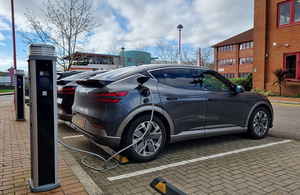
The Department for Transport has confirmed a bigger grant package for chargepoint installations, with renters, flat owners, landlords, households without driveways and businesses able to claim up to £500 towards the cost of installing an EV charger. The uplift covers close to half the cost of a typical installation, and the simplified scheme trims the number of grant types from eight to five.
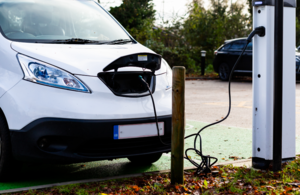
That matters because public charging growth is only half the story. For many drivers, the switch to electric becomes much easier once home or workplace charging stops feeling like a hassle or a luxury. If the scheme works as intended, it should help people who were previously locked out of the cheapest way to run an EV. Read the DfT announcement.
£1 billion package targets electric vans, trucks and depot charging
In a separate announcement, the government set out a £1 billion support package for electric vans, trucks and charging infrastructure at depots. The headline numbers are chunky: up to £81,000 off the heaviest zero-emission trucks, continued van grants worth up to £5,000, and depot charging support that can cover up to 70% of installation costs, with savings of as much as £1 million for some operators.
This is more commercial-vehicle story than consumer headline, but it still matters to ordinary drivers. Cleaner van and HGV fleets mean quieter towns, lower urban emissions and, in theory at least, less exposure for operators to volatile fuel costs. It is also a reminder that the EV transition is not just about family crossovers. Full details are on GOV.UK.
SMMT says a £4.6 billion supply-chain opportunity is up for grabs
The SMMT says the UK automotive sector could unlock a £4.6 billion boost to domestic manufacturing by 2030 as car makers increase local sourcing. Its latest analysis points to especially strong demand growth in batteries, electric motors, power electronics and broader vehicle electronics, while traditional components such as interiors, castings, chassis parts and braking systems still have a meaningful role to play.
This is an industry story rather than a showroom story, but it is still worth watching. If more of the EV supply chain lands in Britain, that should strengthen resilience, improve investment confidence and make the UK less dependent on imported components at a time when the global trade picture remains jumpy. SMMT’s release is here.
Stellantis posts a stronger first quarter across Europe
Stellantis says it registered 696,676 vehicles across the EU30 market in the first quarter of 2026, up 5% year on year, with market share edging up to 17.5%. Fiat, Citroën and Opel/Vauxhall were among the stronger performers, while the group also highlighted its leading position in Europe’s hybrid segment and its strength in light commercial vehicles.
For UK readers, the detail that matters most is less about the corporate chest-thumping and more about brand momentum. Vauxhall, Citroën, Peugeot, Fiat and Jeep all matter in the real-world family-car and van market, so a healthier Stellantis usually means more aggressive pricing, broader stock and tougher competition. Buyers should rarely complain about that. Stellantis published the figures here.
Euro NCAP adds Swiss accident-prevention expertise to its network
Euro NCAP has welcomed the Swiss Council for Accident Prevention, BFU, as an affiliate member. The idea is straightforward: more real-world accident research, more national safety insight and more technical input into how future vehicle-safety assessments are shaped, especially as assisted and automated driving systems become more central to new-car design.
This is not the flashiest story of the day, but it is quietly important. Safety ratings only stay useful if they keep up with real roads, real crashes and real driver behaviour. More data and more scrutiny is usually good news for buyers. Euro NCAP’s announcement is here.
It is not the busiest motoring news cycle, but the common theme today is clear enough: the UK car world is still being shaped as much by charging, infrastructure and supply-chain decisions as by new metal. If you are planning your next car, van or fleet move, that is where the important signals are coming from right now.