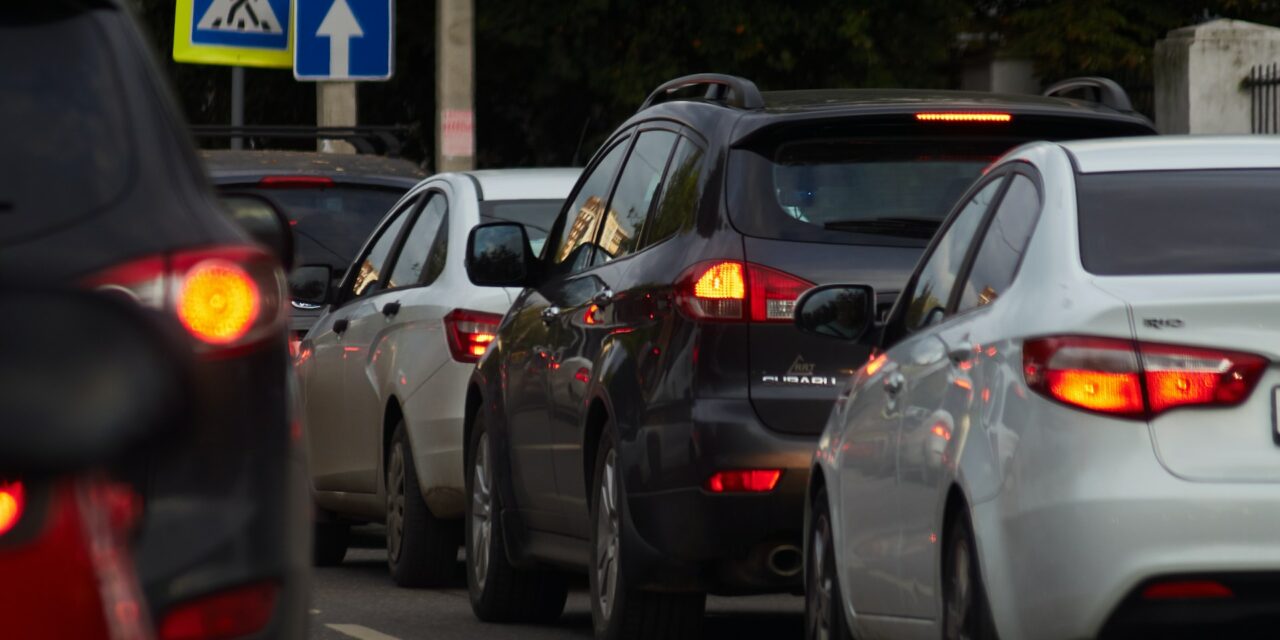
A quieter Sunday still produced a few worthwhile stories for UK drivers, especially around road use, enforcement and where the car industry is heading next. Today’s shortlist is less about shiny launches and more about the rules, habits and manufacturing shifts that could shape what motoring feels like over the next few years.
London’s SUV debate is edging closer to policy
RAC reports that Transport for London is considering whether the largest SUVs should face extra charges to drive in the capital, following safety concerns about the risks bigger vehicles pose to pedestrians and cyclists. The discussion appears to be tied to wider Vision Zero work rather than a firm policy announcement, but it is no longer a fringe idea.
For drivers, this is the sort of proposal worth taking seriously early. Even if London stops short of a direct SUV charge, the broader direction is clear: more scrutiny of vehicle size, weight and urban road danger. Buyers who assume bigger always means better may find city policy moving the other way.
Source: RAC on possible London SUV charges
The AA says litter fines should stay focused on drivers
The AA’s latest research argues that roadside litter enforcement should target the people responsible, not the brands whose packaging gets thrown from cars. According to its polling, drivers are strongly against shifting penalties to businesses, even while many still want brands to help with cleaner packaging, bins and clean-up efforts.
That feels like a sensible dividing line. There is a real public-interest issue here because roadside litter is not just ugly, it can become a safety and maintenance problem too. But blaming brands instead of motorists risks turning a straightforward enforcement issue into a muddier and less credible one.
Source: The AA on roadside litter fines
BMW’s humanoid robot experiment is more than a gimmick
BMW is introducing AI-powered humanoid robots at its Leipzig plant in Germany, initially for physically demanding and repetitive production work. The company says earlier trials showed the machines could handle precise component positioning safely and consistently, and it now wants to test how far that can go in normal vehicle and battery production.
This is not a story UK drivers will feel tomorrow morning, but it does matter. If major manufacturers can make this sort of automation work at scale, it could affect production costs, factory roles and eventually the pace at which new models and battery systems are built. The industry has talked about smarter manufacturing for years. This is a more concrete step.
Source: RAC on BMW’s robot rollout
A thin news day does not need padding, and this set of stories is probably enough. The strongest thread running through all four is that motoring is being shaped as much by policy, behaviour and production changes as by the cars themselves.