
The Sunday news cycle is rarely overflowing with hard motoring news, but there is still plenty for UK drivers, learners and the wider car industry to keep an eye on. Today’s mix is a reminder that motoring policy is not just about new car launches — it is also about whether fleets can afford to electrify, whether learners can actually navigate the test system, and whether the UK industry can stay competitive while demand wobbles.
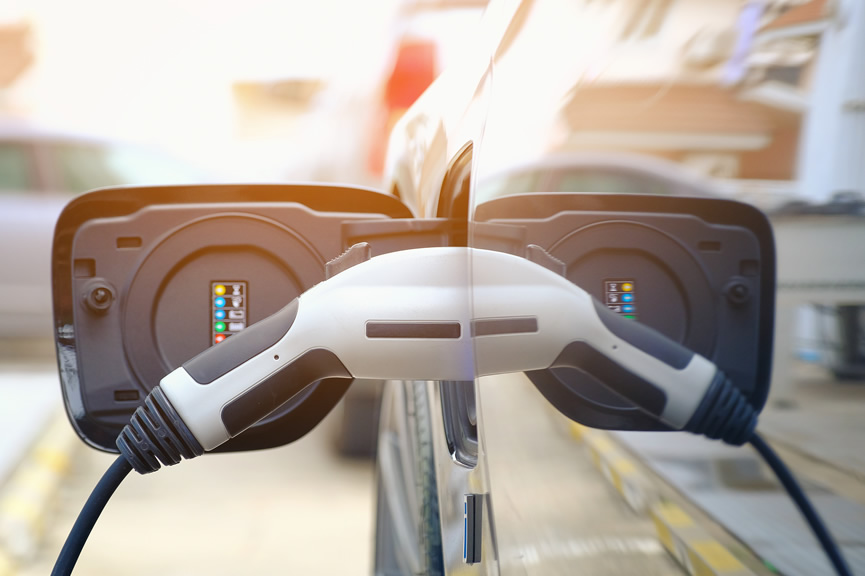
£1 billion package aims to push more electric vans and trucks onto UK roads
The Department for Transport says businesses across the UK will benefit from £1 billion of support covering zero-emission truck and van grants plus depot charging help. The headline numbers are eye-catching: up to £81,000 off the heaviest electric trucks, up to £5,000 off electric vans, and grants covering up to 70% of depot charging costs to a maximum of £1 million for some operators.
This matters beyond the logistics trade press. If more van and HGV operators can make the sums work, the wider benefits should include quieter local deliveries, lower fleet emissions and, in theory at least, less exposure to fuel-price shocks. The real test is whether grid access and charging rollout keep up, because generous grant headlines do not mean much if operators still cannot get the power they need.
Source: DfT announcement on zero-emission truck, van and depot charging support
New driving-test booking rules are now starting to bite
DVSA’s updated booking rules for car tests are no longer one of those distant policy changes that learner drivers can safely ignore. Since 31 March, candidates can make only two changes to a booking rather than six. From 12 May, learners will have to book and manage their own tests rather than having instructors do it for them, and from 9 June they will only be able to move a test to one of the three nearest centres.
There is an obvious logic here: the agency wants to reduce churn, speculative booking and the kind of market distortion that has made test availability such a mess. But it will also demand a bit more discipline from learners, especially those who have treated bookings as something flexible to tidy up later. If you are not genuinely close to test-ready, booking too early is becoming a far more expensive gamble.
Source: DVSA guidance on 2026 driving-test booking changes
Government pushes integrated transport again — with one useful win for drivers
The government’s new Better Connected strategy is mostly aimed at making buses, trams and trains easier to use together, including wider support for tap-and-go ticketing and more joined-up local transport planning. On the face of it, that sounds more like commuter policy than motoring news.
But one detail should interest drivers immediately: the planned expansion of the National Parking Platform, which is meant to reduce the headache of needing a different parking app in every town. If that promise is delivered properly, it will solve a very ordinary but very real irritation. It is not glamorous, but practical motoring policy rarely is.
Source: DfT Better Connected transport strategy announcement
SMMT warns global pressure is still weighing on UK vehicle production
SMMT says February UK vehicle production fell 17.2%, underlining how fragile the manufacturing picture still is. The trade body points to weak global demand, model changeovers and plant restructuring, while also arguing that proposed EU industrial-policy rules could make life harder for UK-built vehicles and components in Britain’s biggest export market.
There is a familiar industry plea here, but it is not easy to dismiss. For buyers, shaky production numbers can feed through into model availability, pricing pressure and a slower route to scale on some electrified vehicles. The more encouraging line is that electrified models still made up 40.4% of car output last month. Even so, the sector badly needs stability rather than another year of policy turbulence and shrugging.
Source: SMMT on pressure facing vehicle production
FIAT looks to students for ideas about the next city car
FIAT’s latest announcement is not a new production model, but it is a revealing sign of where mainstream urban-car thinking is heading. The brand has launched a design project with students from IED Turin and ISIA Roma to imagine the compact FIAT of tomorrow, with input from Giorgetto Giugiaro and FIAT design boss Francois Leboine.
That does not put a new showroom model on sale tomorrow, obviously, but it does point to a continuing obsession with small, lighter, more characterful urban cars at a time when many buyers still feel priced out of new EVs. If manufacturers are serious about accessible electric motoring rather than just premium-margin hardware, this is exactly the territory they need to revisit.
Source: FIAT on its urban mobility design project
DVLA reminds drivers that Easter phone support is limited
Not every useful motoring update needs to be dramatic. DVLA has published its Easter 2026 contact-centre hours, with phone lines closed on Good Friday, Easter Sunday and Easter Monday, before returning to normal on Tuesday 7 April. Online services remain available throughout.
That is the sort of thing plenty of drivers only discover after sitting on hold or planning a last-minute admin job at the worst possible moment. If you need to sort tax, vehicle details or licence-related housekeeping this weekend, online is the sensible route.
Source: DVLA Easter 2026 contact-centre hours
The overall picture is a very UK-style one: some promising policy support, some administrative tightening, and an industry still trying to find firmer ground. Quiet day or not, there is enough here to matter if you drive, buy, sell or build cars in Britain.

