If you only have a few minutes this morning, these are the motoring stories that look most relevant to UK drivers, fleet operators and car buyers. It is not the busiest news cycle, but there is still a clear theme running through it: road enforcement is getting smarter, parking is edging towards less app chaos, and the pressure to make electrification affordable is not going away.
London is trialling a new kind of speed camera
The RAC reports that Transport for London and the Metropolitan Police are introducing a radar-based speed camera system that can monitor up to five lanes of bi-directional traffic without the obvious flash setup most drivers are used to. The trial is being rolled out on selected 20mph and 30mph roads in boroughs including Haringey, Tower Hamlets, Havering and Croydon.
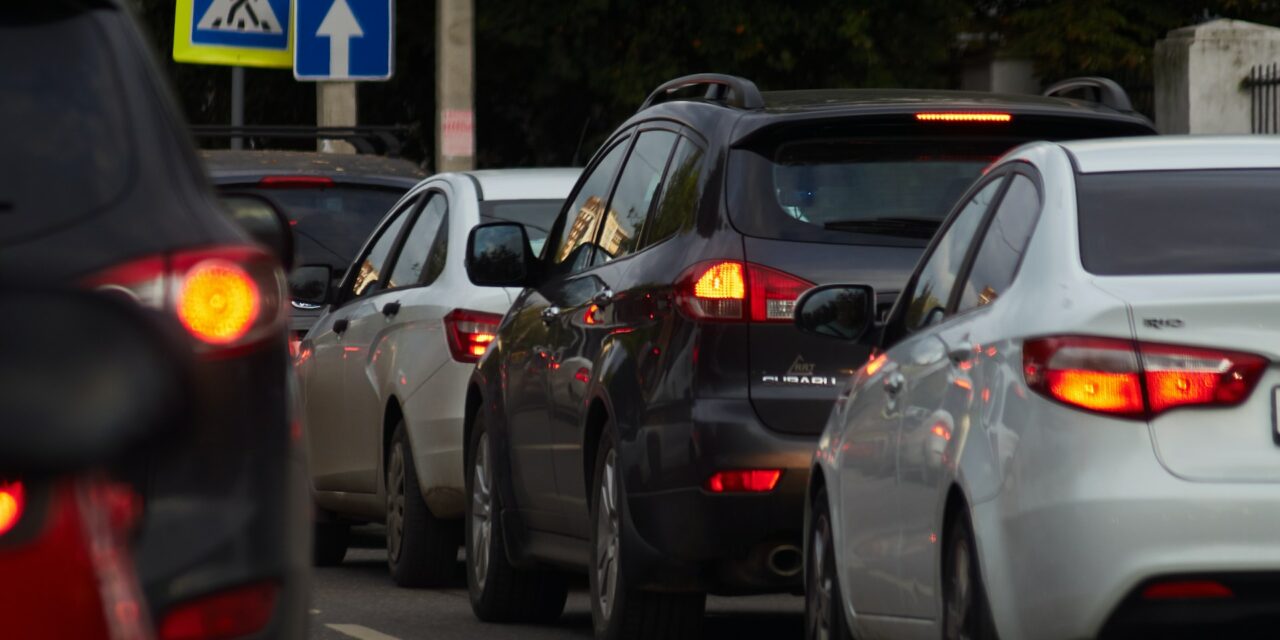
For drivers, the practical point is simple: enforcement is becoming less dependent on old-school roadside hardware and more focused on wider coverage and better image quality. TfL says speeding was a contributory factor in around half of fatal collisions in the capital in 2024, so this is not just another gadget story. It looks like a sign of how urban enforcement will evolve.
The National Parking Platform could make app overload a bit less painful
Another RAC report says the Government is pushing more English local authorities to join the National Parking Platform, a not-for-profit system designed to let drivers use the parking app they already prefer instead of being forced to download a different one for every town. Fifteen councils have already signed up, and ministers are reportedly considering statutory guidance to speed up adoption.
That may sound like a niche admin story, but it is exactly the kind of low-grade hassle that annoys drivers week after week. If the platform gains real scale, it could quietly become one of the more useful consumer-facing motoring reforms in England. The big question, as ever, is whether enough councils and operators actually join.
SMMT says energy costs are still making the transition harder than it should be
The SMMT’s latest view is a reminder that the UK automotive transition is not just about launching more EVs. The trade body says commercial vehicle output remains under pressure as manufacturers retool for zero-emission production, while industrial energy prices in 2026 are still around 80% higher than expected five years ago.
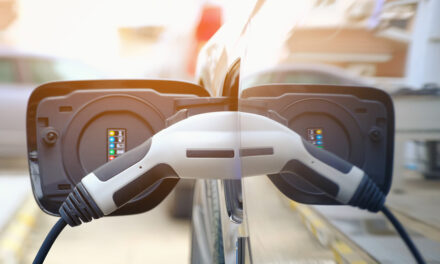
That matters beyond factory gates. If energy remains expensive and depot charging infrastructure is still costly to install, the shift to electric vans and trucks becomes slower and pricier for the businesses that eventually pass costs on to customers. SMMT welcomed the latest plug-in truck and van grant guidance, but its broader message is blunt: policy support means much less if operating costs stay stubbornly high.
Ford’s new Transit City looks aimed squarely at the urban delivery grind
SMMT also highlights Ford’s new Transit City electric van, an entry-level electric van pitched at last-mile delivery firms, utilities and trades that mostly work in towns and cities. Ford says it will offer up to 158 miles of range, three body styles and payloads of up to 1,275kg, with orders expected before summer and first deliveries due towards the end of the year.
On paper, the interesting bit is not glamour but positioning. This is very obviously a working vehicle designed to bring the cost and complexity of electrification down a notch for operators who do not need huge range. If Ford can price it sensibly in the UK, it has a decent shot at being more important than flashier EV launches. Vans that make business maths easier tend to matter more than concept-car theatre.